

Whats New In Photoshop 2017
Apart from the new and lovely aesthetics, the 2012 update introduced many noteworthy tools and upgrades. The ever-improving Content-Aware toolset introduced Content-Aware Patch and Content-Aware Move.
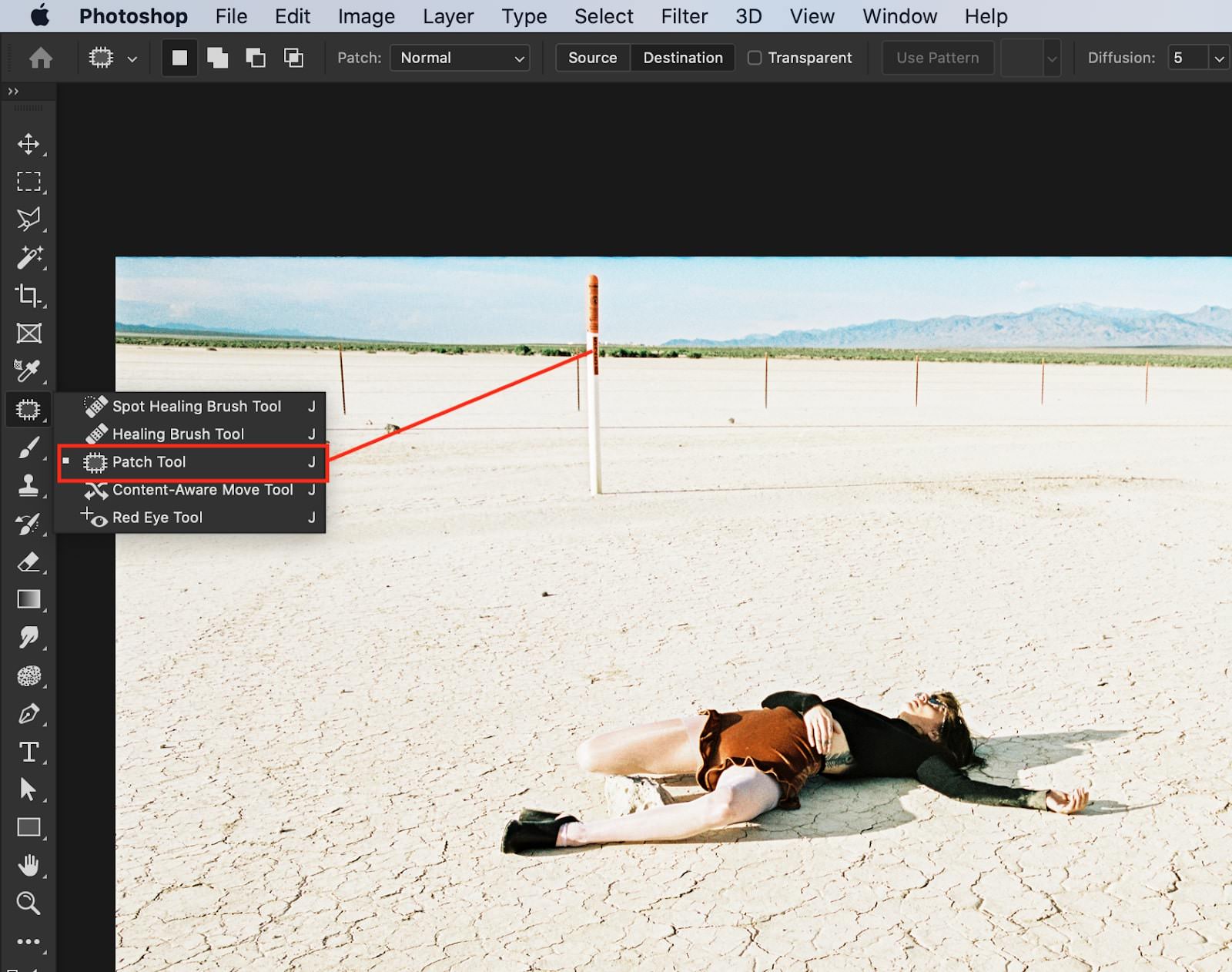

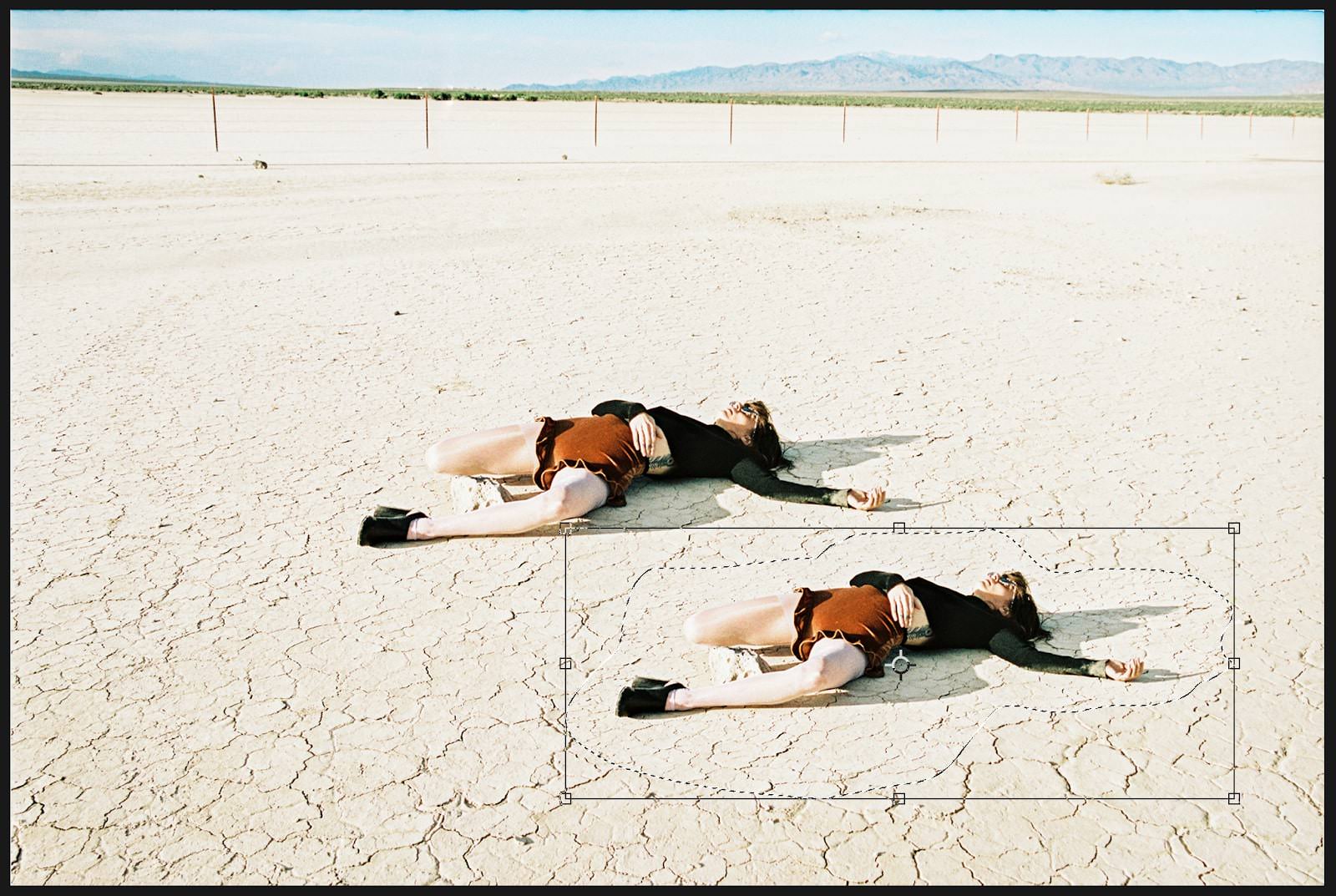
The updated Patch tool included a Content-Aware option that seamlessly replaced unwanted image elements by synthesizing nearby content. Similar to Content-Aware Fill, but this version of the tool allows you to select the source area.
The new Content-Aware Move tool allowed for quickly recomposing images without lots of layering or precise selections. Move mode lets you place objects in different locations.
We also saw the introduction of Type Styles, a photographic blur gallery, new filters, like oil paint, and to the great relief of many users, background saving and auto-recovery.
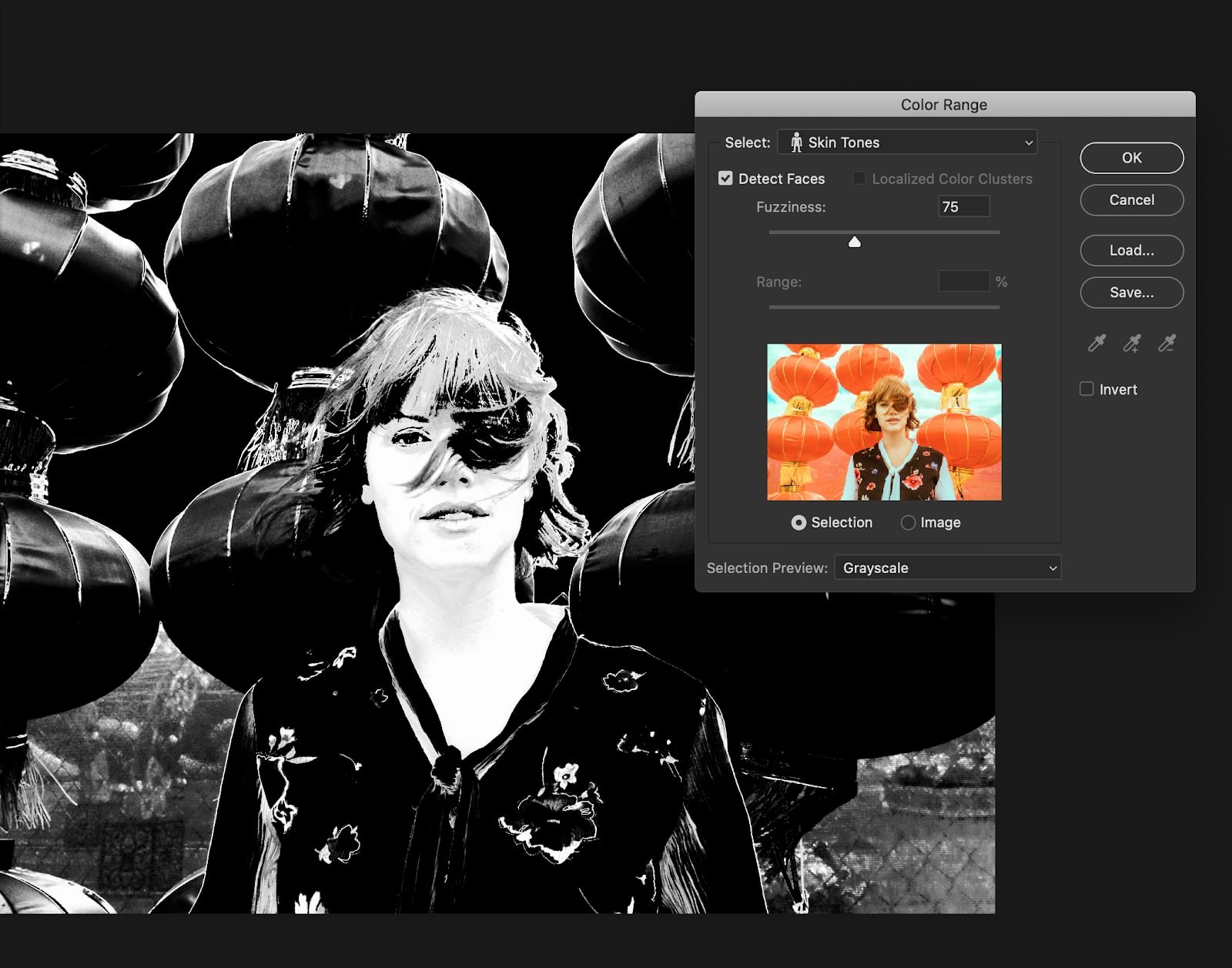
The list of new features continues with skin tone and face detection. The Color Range selections now saves Skin Tones selections as a preset. It can also save the setting for the Detect Faces option when Skin Tones or Sampled Colors are selected.
Finally, new brush and airbrush tips, cropping tools, and the surprise of in-platform video editing tools also came about in CS6.
Photoshop CC
June of 2013 saw a chapter's end and a new beginning with the move from the CS platform over to Creative Cloud. The transfer didn't come without some hesitation and even resistance from the Photoshop community, making it mandatory to pay for the CC subscription to obtain the new update.
If you happen to be reading this and still clinging to the old CS versions, consider this quote from Lau Tzu on change:
"Life is a series of natural and spontaneous changes. Don't resist them; that only creates sorrow. Let reality be reality. Let things flow naturally forward in whatever way they like."
–Lao Tzu
Apart from the switch from CS to CC, we also got a list of new and improved features. One of the more noteworthy features was the new Smart Sharpen filter. It gives the ability to produce high-quality results through adaptive sharpening technology that minimizes noise and halo effects.
The filter's dialog box used sliders for quick adjustments and advanced controls to fine-tune results.

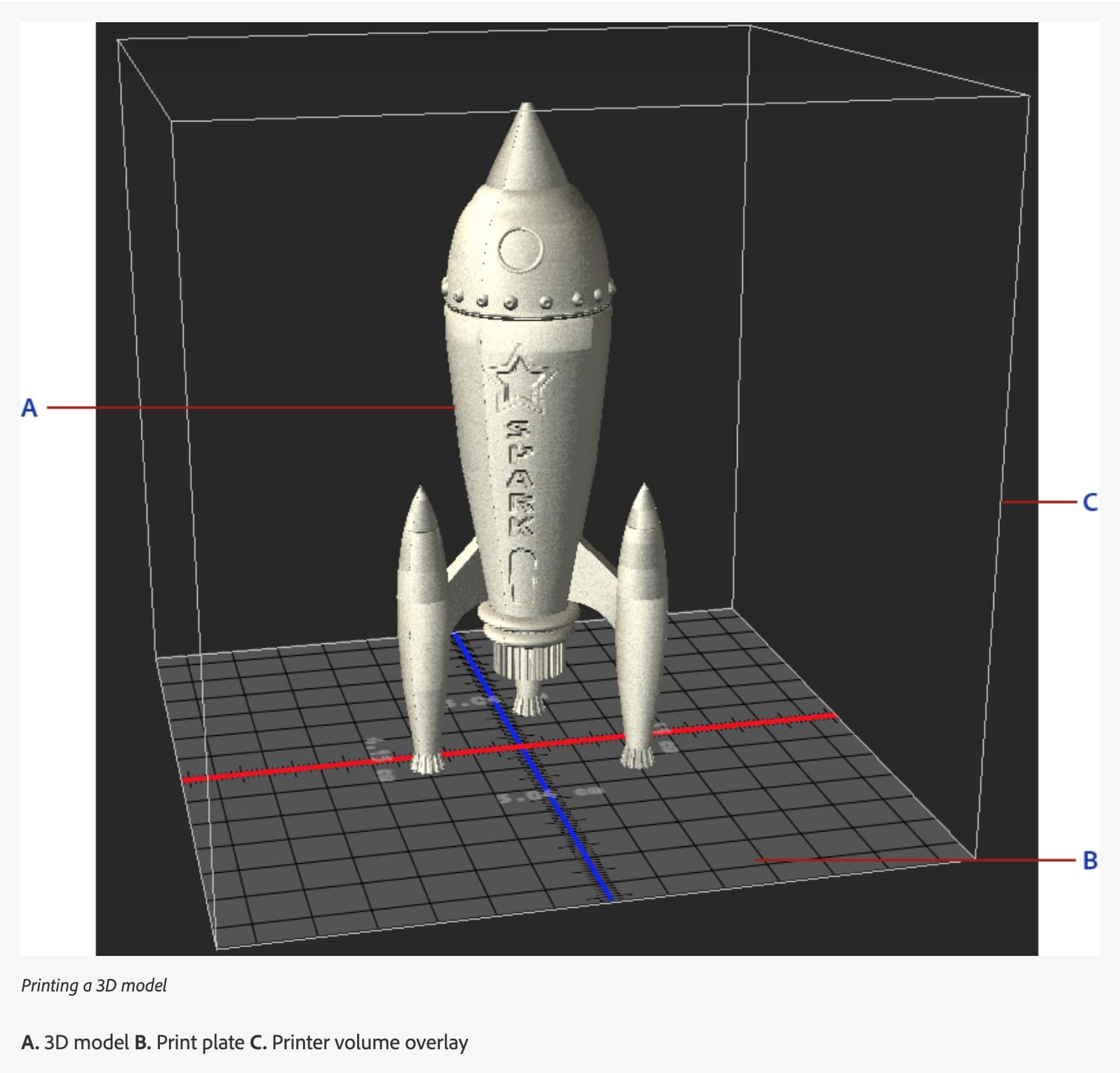
CC also saw the addition of editable rounded rectangles, perspective warp, live 3D painting, and support for 3D printing, allowing you to print any compatible 3D model without worrying about 3D printer limitations. In preparation for printing, Photoshop automatically makes 3D models watertight and generates the necessary support structures—scaffolding and rafts—to ensure that your 3D prints successfully.
There was also support for Indic languages, linked Smart Objects, the update to Adobe Camera RAW 8.0, Intelligent Upsampling, and camera shake reduction. Finally, the ability to share work to Behance was integrated into the update.
Photoshop CC 2015
The June 2015 Photoshop release saw an update to the user interface, further refining the look and making it more consistent throughout. This also marked the 25th anniversary of the product and the launch and integration of Adobe Stock, which was accessible within Photoshop itself.
You could also now open PSD files in your Creative Cloud Files directory directly from the Start Screen. Liquify got another little update with a preview checkbox added to the interface, and there was also added support for OpenType SVG fonts.
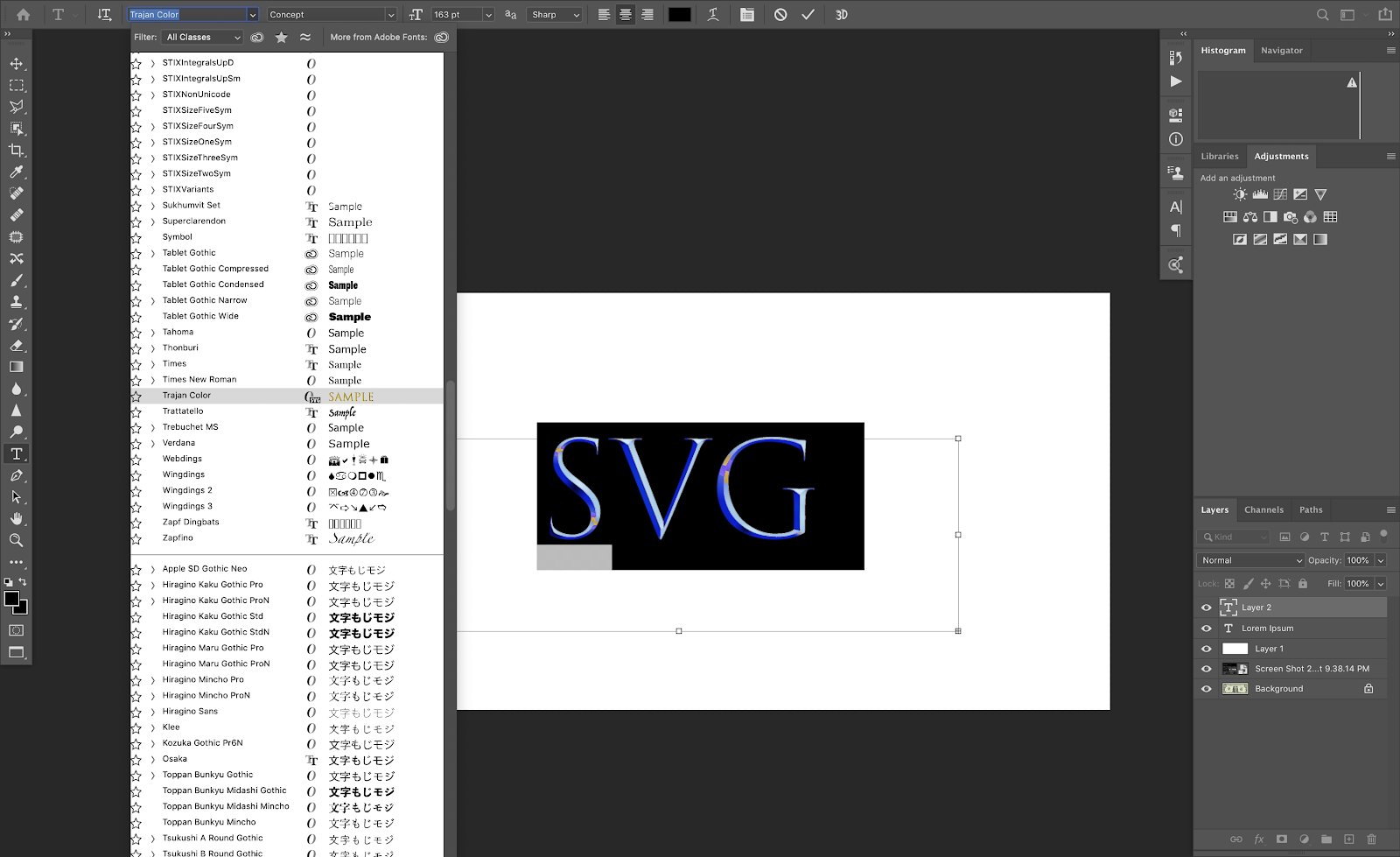
The last new feature was the ability to bring work from Photoshop into Adobe Experience Design (XD), Adobe's new all-in-one tool for designing and prototyping user experiences for websites and mobile apps.
Apart from new things, CC 2017 made lots of improvements to already-existing tools and features! Select and Mask workspace, Face-Aware Liquify, CC Libraries, Properties, Panel, and Camera RAW were all enhanced. The Text box UI was improved and made easier to use, and surface blur made faster for 16-bit images.
Photoshop CC 2018
October 18th of 2017 may as well have been Christmas for many Photoshop users. The release of CC 2018 came with loads of new tools, features, and updates!
I'm sure that I wasn't alone in my excitement over one of the largest of the new things brought to the table during that release. Some of the highlights included an overhaul on the brushes and their organization, as well as tons of features added to brush properties. As of CC 2018, brushes are now organized into folders and sub-folders, and additional brush properties (like color and opacity) can now be saved per brush. Adobe partnered with artist, Kyle Webster (a stroke of genius on Adobe's part) who created 1,000 (and counting) brushes for the release!
Another feature, the new Select Subject tool, allows users to select prominent subjects in a photograph more easily. Powered by advanced machine learning technology, Select Subject is trained to identify a variety of objects in an image—people, animals, vehicles, toys, and more—with a single click.
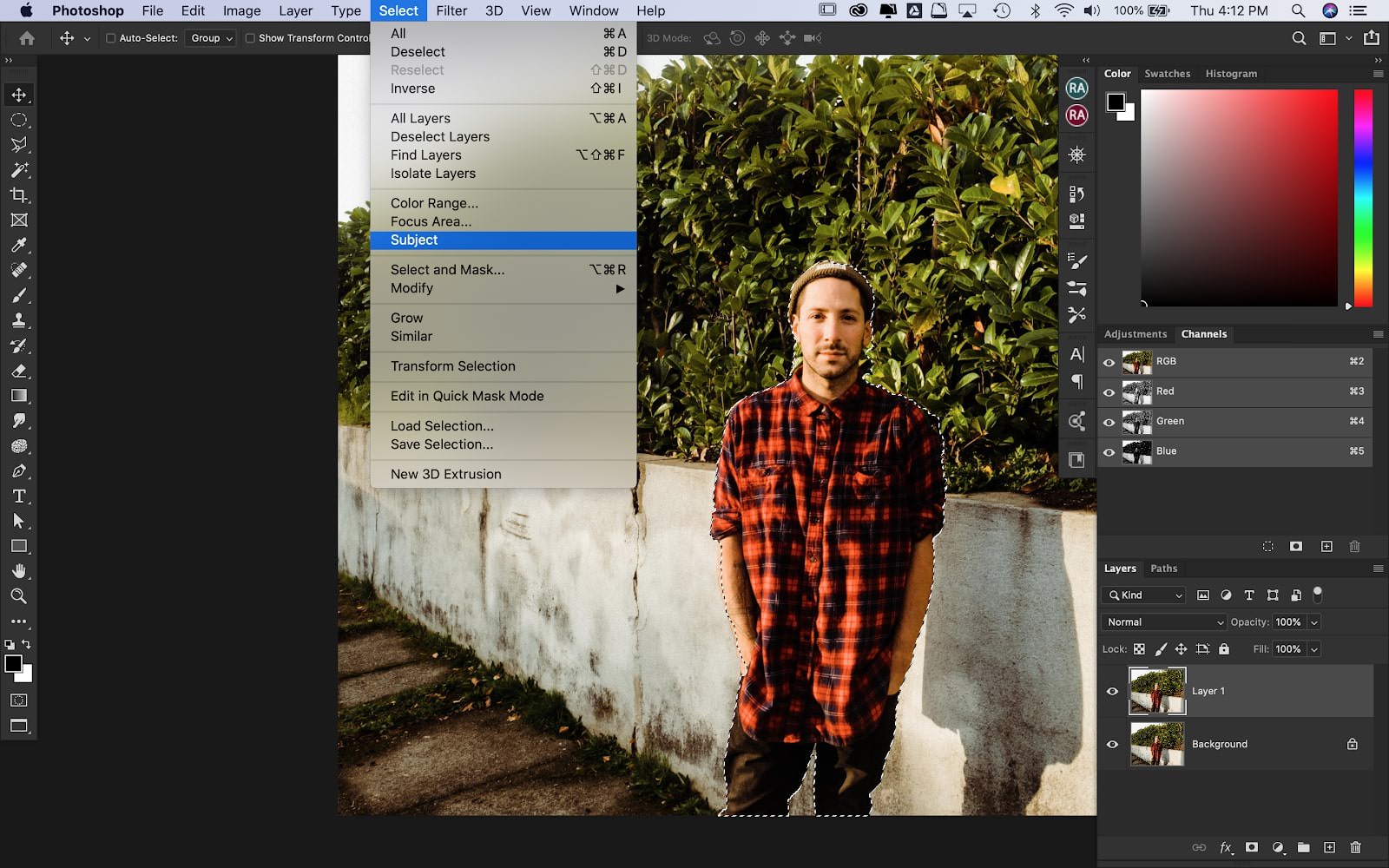
There was also support added for Microsoft Surface Dial, as well as support for Apple's High Efficiency Image Format (HEIF). Variable fonts were added, and also the Quick Share feature, allowing you to seamlessly share images from within PS to social networks, and built-in tutorials in the Learn panel.
We also saw a new Curvature Pen tool, similar to what is seen in Adobe Illustrator, and the new Paint Symmetry tool, allowing users to create beautiful symmetrical designs with ease.
Oh, and finally, copy and paste for layers!
Photoshop CC 2019
The 2019 Photoshop release offered yet another impressive lineup of new features and improvements. The overall total wasn't quite as large as the year previous, but the additions still didn't disappoint.
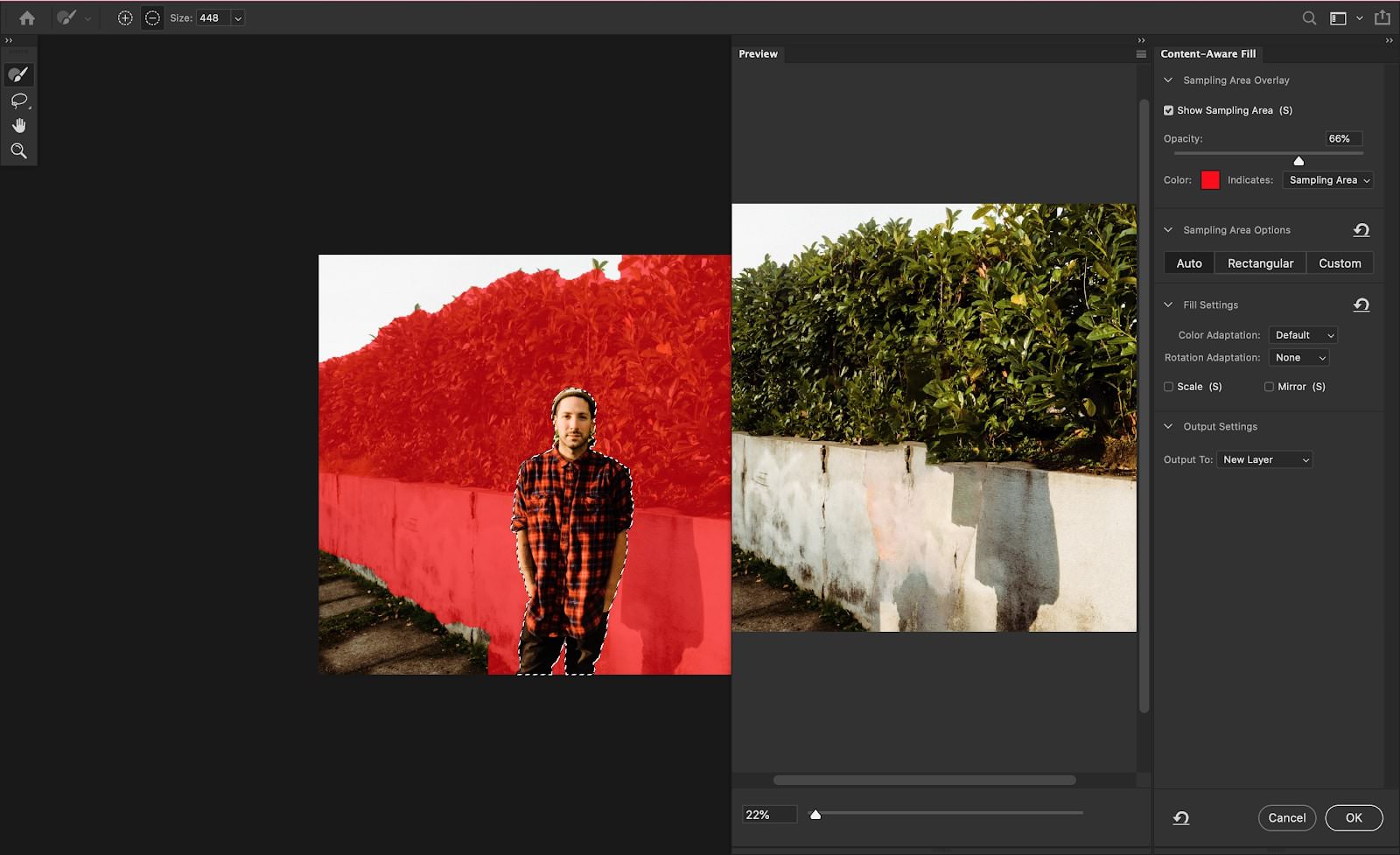
Content-Aware Fill got its own dedicated workspace, allowing users to refine selections more than ever. You can now choose which source pixels to use and rotate, scale, and mirror the source pixels. You also get a live full-resolution preview of the changes and an option to save the result to a new layer.
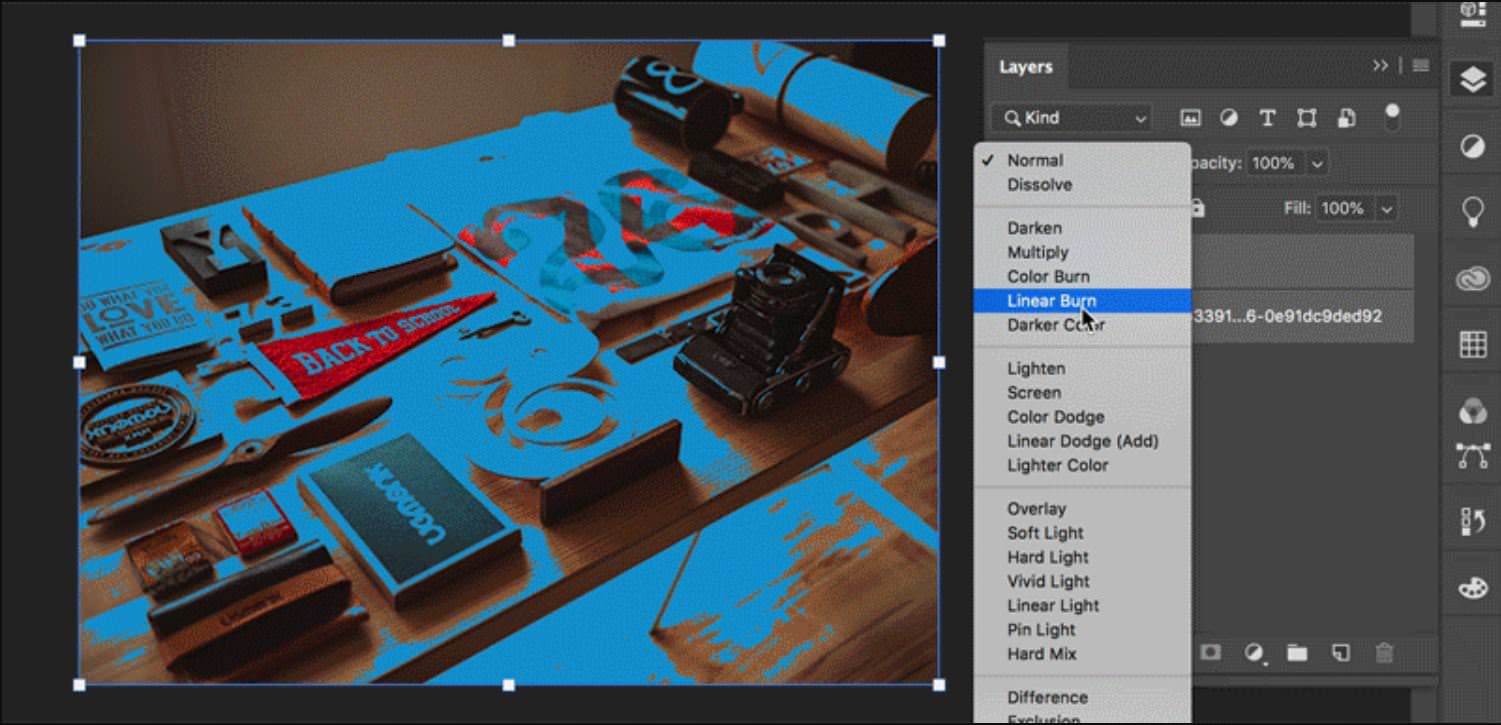
This version also saw the introduction of live blend mode previews, showing the effect of each blend mode as the cursor moves over them.
Improvements were made to the new Symmetry mode, and multiple undo process was made to be more straightforward, though it may take some getting used to for long-time PS users.
You can now use Control + Z (Win) / Command + Z (Mac) to undo multiple steps in your Photoshop document, without the use of the shift key. The new multiple undo mode is enabled by default.
CC 2019 also introduced a new Frame tool, making some masking tasks easier than ever. Using the tool, users make a selection and then drag an asset into the selection. The content places as a smart object and automatically scales to fit the created frame.
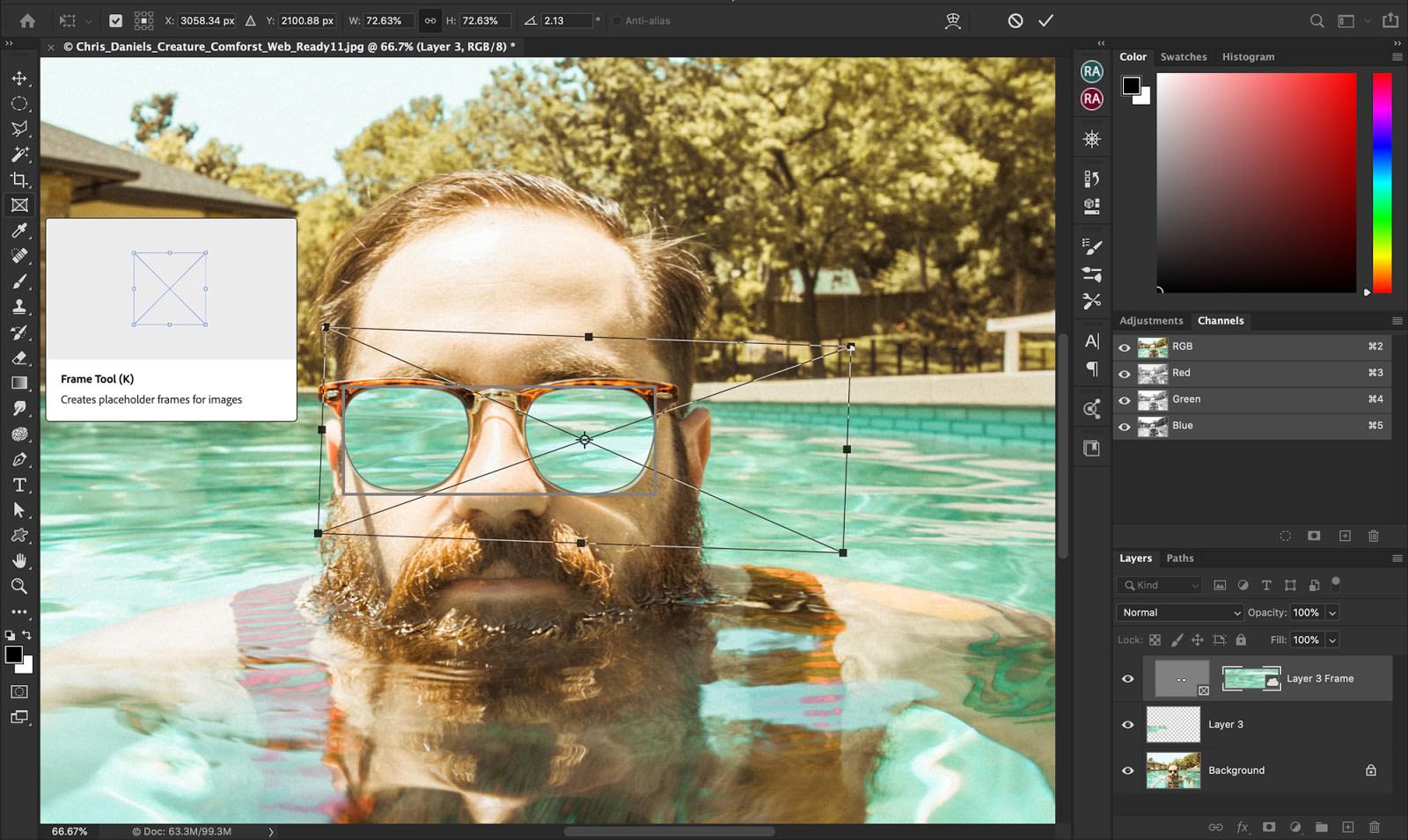
Further additions to the version were the ability to choose colors from the color wheel and a slew of customer-requested features. Those included:
- Distribute spacing (like Adobe Illustrator)
- The ability to use math in number fields to easily divide ratios
- Japanese fonts added to Match Font
- Lorem Ipsum added for placeholder text
- Customizable keyboard shortcuts for Select and Mask
Photoshop CC 2020
And finally, the brand spanking new release of Photoshop CC 2020! Just out on November 4th of 2019, we're getting the first looks at the updated Adobe software!
First off, Photoshop continues to improve its usability across multiple devices with the new offer of Cloud Documents. On the opening home screen is a new tab labeled "Cloud Documents." No matter the device you're on, you connect to the internet, open a file from the new tab, and continue working from where you left off.

The presets panel got a facelift and is more user-friendly, allowing you to no drag and drop assets from the presets and onto your canvas. New modern presets have also been added to the library.
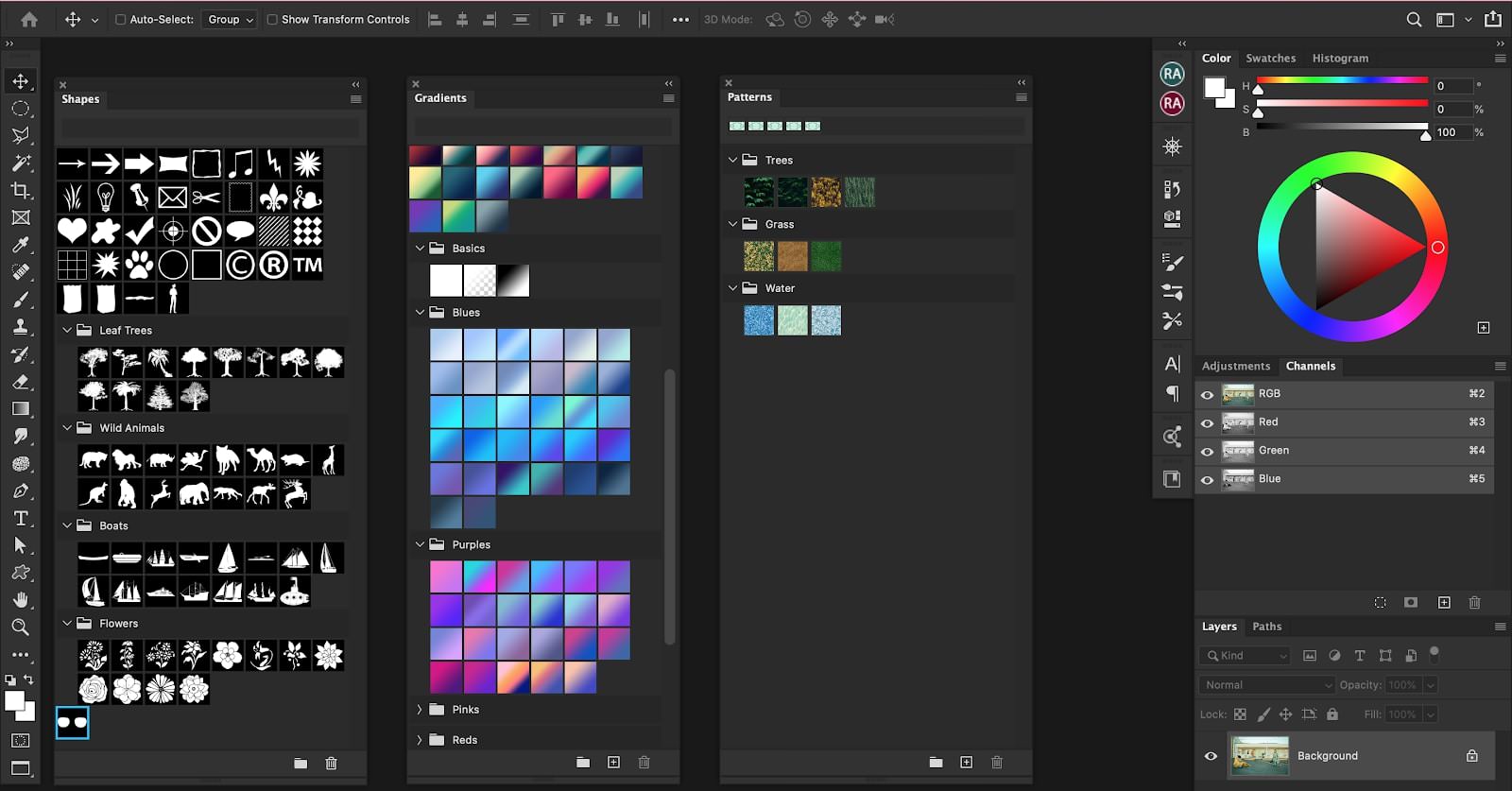
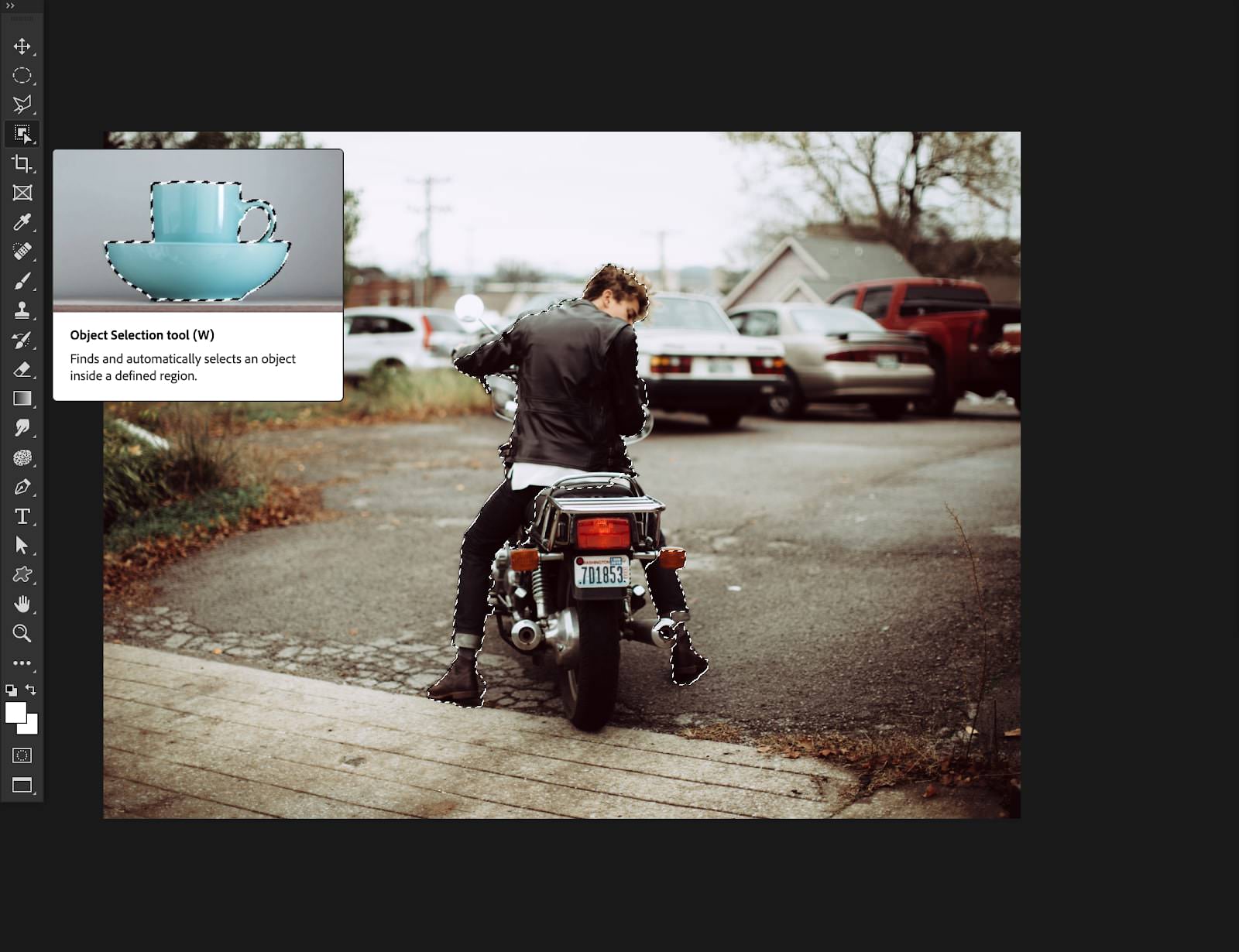
There's a new Object Selection Tool, which allows you to make a rough selection around and object, and Photoshop does the rest. Powered by "Adobe Sensei," this smart tool aims to make selecting objects faster and more efficient, and easily recognizes people, cars, furniture, pets, clothes, and more.
The Transform tool has seen further revision, making it more consistent with less upfront effort.
No matter the layer type, you can now proportionally transform multiple layers without having to press the shift key.

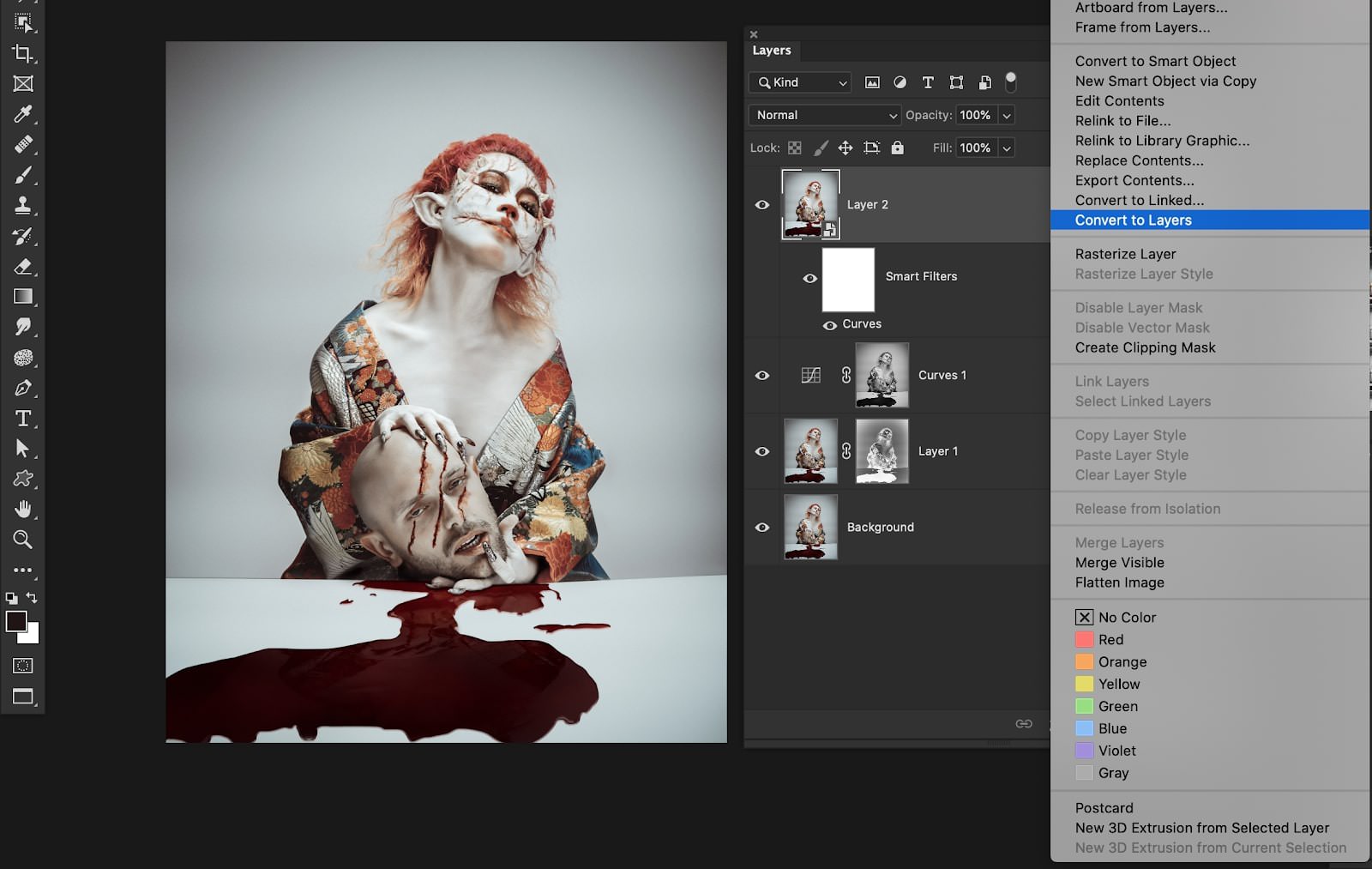
Smart objects can now be converted to layers.
Select the Smart Object in the Layers panel, then do any of the following:
- Right-click/Control-click the Smart Object, then choose Convert to Layers from the context menu.
- From the menu bar, choose Layers > Smart Objects > Convert to Layers.
There are also new Style sets for OpenType fonts, as well as 32-bit adjustment layers for Brightness/Contrast and Curves.
A new section on the home screen called "What's New" displays the most recent happenings for Photoshop. Links to advice, tutorials, and updates all available within the app.
Whats New In Photoshop 2017
Source: https://phlearn.com/magazine/ultimate-photoshop-comparison/
Posted by: mooreoffing.blogspot.com
0 Response to "Whats New In Photoshop 2017"
Post a Comment