

How To Cite Sources In My Blog Post
Plagiarism is defined as the process of using another person's words or ideas without giving credit to that person. Plagiarism is a form of cheating, and it can carry serious penalties in educational institutions and workplaces.
It may also expose you to accusations of copyright infringement if you use someone else's work without permission or proper citation.
How to avoid plagiarism:
Give credit where it's due. Whenever you quote or paraphrase another author, mention that author – either by name or with a general description – and provide the relevant page number(s), if applicable. This will make it easier for your readers to find the original source if they'd like to learn more about the topic.
Use quotation marks around words you've taken from another source and put their authors' names in parenthesis after them. If you're paraphrasing or summarizing someone else's argument, put their name on it, too. This should help you avoid being accused of plagiarism.
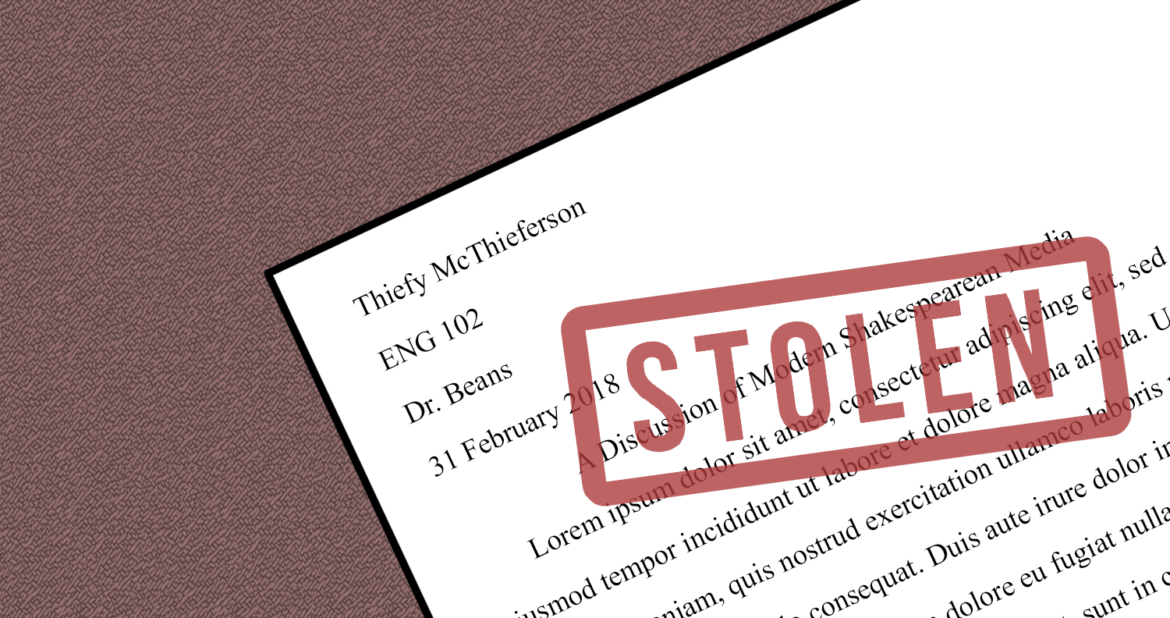
Don't copy text from the Web and submit it as your own work. If you don't properly cite sources, even if you add quotation marks around a few phrases or sentences, this is still considered plagiarism. In other words, without citations, your readers will have no idea where you got your information.
To avoid this, if you're using information from the Web or other online sources, make sure to cite it. You can use a Works Cited page at the end of your paper for this purpose, or you could link to an external source instead. For example, instead of saying something like "According to Wikipedia…", you could say "According to Wikipedia, …".
If you're writing a paper on a work of art or literature, you should contact the artist/writer and ask their permission before using any quotes from their work. If you just want to use an image as your background without any accompanying text, you don't need the writer's permission – although it's always polite to credit them by name.
How to avoid copyright infringement:
If you're creating original work, you automatically own the copyright – however, it's a good idea to register your copyright with the U.S. Copyright Office as soon as possible after a certain date (see below). This can help you prove that you created your work first and avoid any copyright infringement claims.
Here's an example of how to do it: © 2014 John Doe If you want to check whether a certain image is under copyright, you can do so on the Library of Congress website. You can also find out if a particular song or movie is copyrighted simply by checking its title at IMBD – most movies and music are still covered by copyright even if they're not in the IMBD database.

Note that you shouldn't simply assume that everything on the Web is in the public domain; always check with the original creator when in doubt. Also, when uploading your own work to a site like YouTube or Flickr, make sure to apply for appropriate tags and licenses (e.g., Creative Commons ).
When writing a paper or creating a work of art, make sure to cite your sources – and recognize the difference between plagiarism and copyright infringement. And if you have any doubts about how to handle a particular situation, ask an expert – your teacher, boss or colleague – for help.
Types of copyright infringement that can happen on the internet:
1. Plagiarism:
This is copying someone's idea or writing without giving them credit for it. It can also be called "intellectual property theft". If you have a blog, website of your own, you should know that plagiarism is not tolerated on the Web.
For example, if someone were to take an article from a site that you have been writing for and post it on their own website, then that is plagiarism. That means you can be sued or have your account closed. In this case, the article would be removed from the infringing website, and the offender would most likely receive a warning from his/her host.
If you are posting images to your blog or website, then copyright laws also apply. In other words, you cannot post an image from another site and claim it as your own. If you do so, you can receive a warning or have your account closed. So it is best to use images from sites that allow usage for free such as Pixabay
2. Copying or stealing images, graphics and video
This is the act of copyright infringement when you take images, videos or text from other websites. Generally, if an image has watermarks or ownership information on it, then that means the original copyright owner wants you to give him credit for it. If you copy something without giving credit to the owner, then that is considered stealing.
For example, if you were on a website and copied a few paragraphs from it without giving credit to the author/owner of the original content, then that is considered stealing. So make sure to give proper credit by linking back to the original source or providing a reference to their work. This will eliminate any possible copyright infringement disputes.
If you are the owner of a website, make sure to include an image's credit information on it. If someone takes your photo and passes it off as their own, then that is copyright infringement. A simple way to prevent this is to place visible watermarks or copyright notices on all your images. You should also give proper credit to any quotes you use; this prevents plagiarism and increases the content quality

3. Plagiarizing articles
This is the act of stealing other people's articles, rewriting them and posting them on your own website without giving credit to the original writer. This also includes posting someone else's article on a site that requires payment or linking back to their website – this means you would be making money off of their article, and they would not receive any credit or payment. So you can say that this is a type of stealing.
Common examples of plagiarism on the Internet include:
- Posting someone else's work on your site or passing it off as your own, e.g., rewriting an article from another source without giving credit to the original author;
- Failing to cite sources properly;
- Posting images that were taken by other people, failing to give them proper credit, then putting them on your website.
You may be wondering what you should do if you want to use other people's work in your blog or website. You can ask for their permission, whether it is through email, social media or at the bottom of their post. Or you could simply link back to them while giving them credit for the content. If you are quoting someone, then make sure to include the author's name and a link back to their website. This way, both you and the original content owner won't have any problems with copyright infringement.
The consequences of committing a violation, including penalties and punishment:
If you have been caught violating copyrights, then the consequences may include:
- A warning from your host
- Having your account closed or blog was taken down
- Being sued for damages
Copyright infringement affects not only you but also the original content owner who deserves credit and payment for his/her work. Although it may seem like you are not doing any damage by taking images/videos or posts from other sites, it is best to ask for permission before using them. This way, both parties will remain safe against copyright infringement disputes, and you can continue blogging or running your website in an honest way.
Tips for avoiding plagiarism:
- Always give credit to the original content owner whenever possible; this includes linking back to their website if you are posting an image or quote on your site.
- If you are writing a blog post about SEO, then make sure to link back to the article that was written by Neil Patel on QuickSprout. You can find a link for it here
- Always check to make sure that the content you are using is not copyrighted. Search for the content on Google and see if it leads back to their website.
- If you were given permission by the owner of a blog or website to use their images, then make sure to post their logo or picture with a link back to their website. This way, you can credit them for any work that they have done.
- If you are posting images from your camera to the Web, then make sure to protect them with a watermark or password to prevent others from using them without permission.
- Make sure to place a copyright notice on all of your articles and images so that people cannot steal them.
- If you have been accused of violating copyrights, then take down the material that was posted without permission and never use it again. Apologize to the owner and ask for their forgiveness – this way, they will not take any legal action against you.
- If you have been sued, then take it seriously and hire a lawyer to help you fight the case in court.
- Always check your site for copyrighted material that was not given permission to be posted – this can prevent legal disputes from arising in the future.
- Make sure to brush up on copyright laws before blogging about a particular topic.
How To Cite Sources In My Blog Post
Source: https://www.mzzhub.com/how-to-avoid-plagiarism-in-content-writing/
Posted by: mooreoffing.blogspot.com
0 Response to "How To Cite Sources In My Blog Post"
Post a Comment